
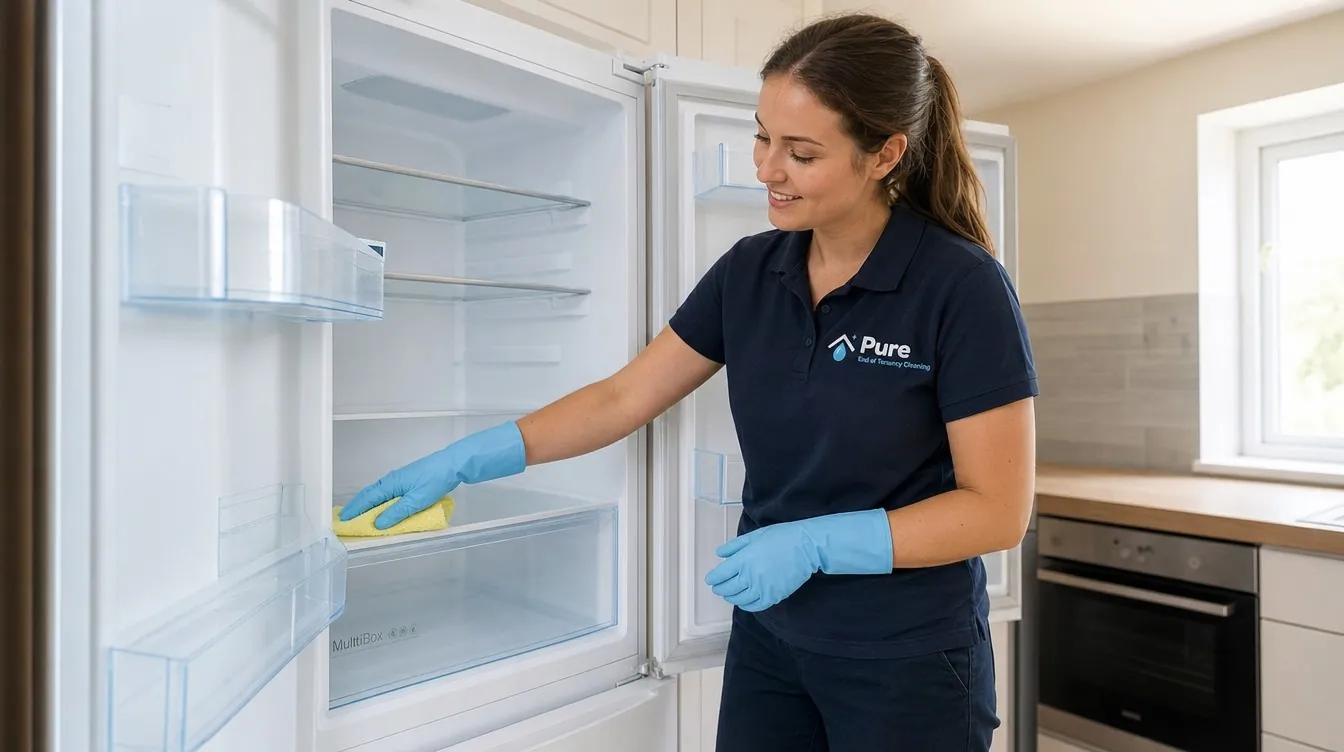
You do not have to book a professional end of tenancy clean. Plenty of tenants clean the property themselves and get their full deposit back. Whether it is worth paying for depends on your time, the state of the property and how much is at stake.
The case for doing it yourself
- It costs less in money. You pay for products and perhaps a carpet cleaner hire.
- You control the timing. You can clean in stages over a few evenings.
- It works well for well-kept homes. If you have cleaned regularly and the oven is in good shape, a DIY clean can be enough.
The case for a professional clean
- Time. A thorough DIY clean of a two-bedroom flat usually takes a full day or more, during the busiest week of your move.
- The hard jobs. Oven grease, extractor filters, limescale on glass and carpet stains are where professional products and experience make the biggest difference, and where most deductions come from.
- Evidence. A receipt from a professional clean is useful evidence if there is a deposit dispute.
- A second chance. A professional company with a re-clean policy will come back if the agent flags something. At Pure End of Tenancy Cleaning, that is anything we cleaned that is raised within 48 hours.
Cost comparison
Compare the cost of a professional clean with what is at risk. If cleaning deductions on your property could plausibly exceed the price of a clean, a professional clean is usually worth it. See our prices and what end of tenancy cleaning costs.
A middle route
Some tenants clean most of the property themselves and book professional help for the oven and carpets, or book a full clean and spend their own time on packing. Whatever you choose, work from a proper end of tenancy cleaning checklist.
Our view
If the property is in good order and you have the time, DIY is a sensible choice. If you are short on time, the oven or bathrooms are heavily used, or the deposit is large, a professional clean is the safer option.